
News


Lasha Avaliani: “The Ministry of Environmental Protection and Agriculture Has Taken Significant Steps to Reduce Trans Fats in Food”
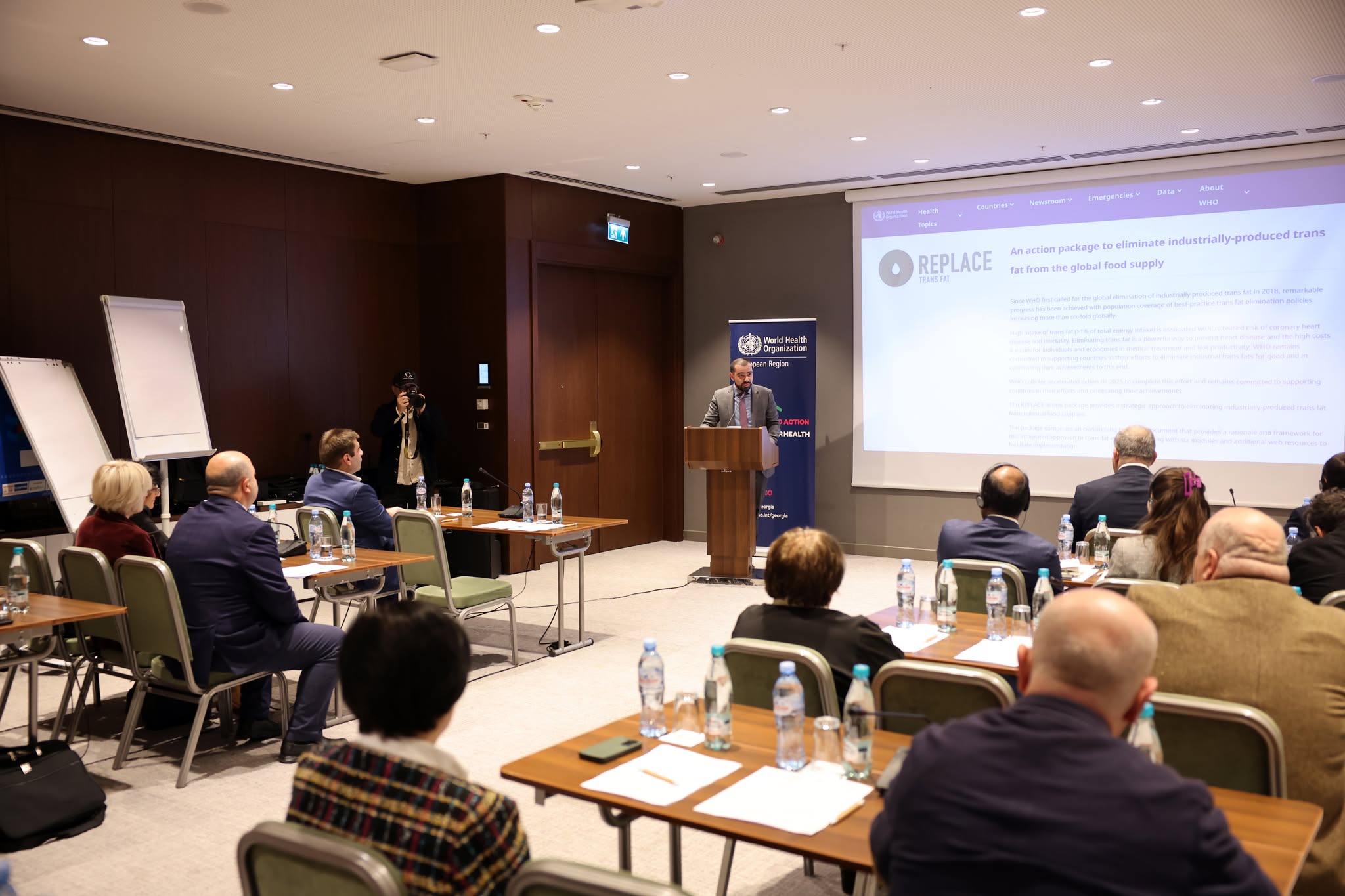
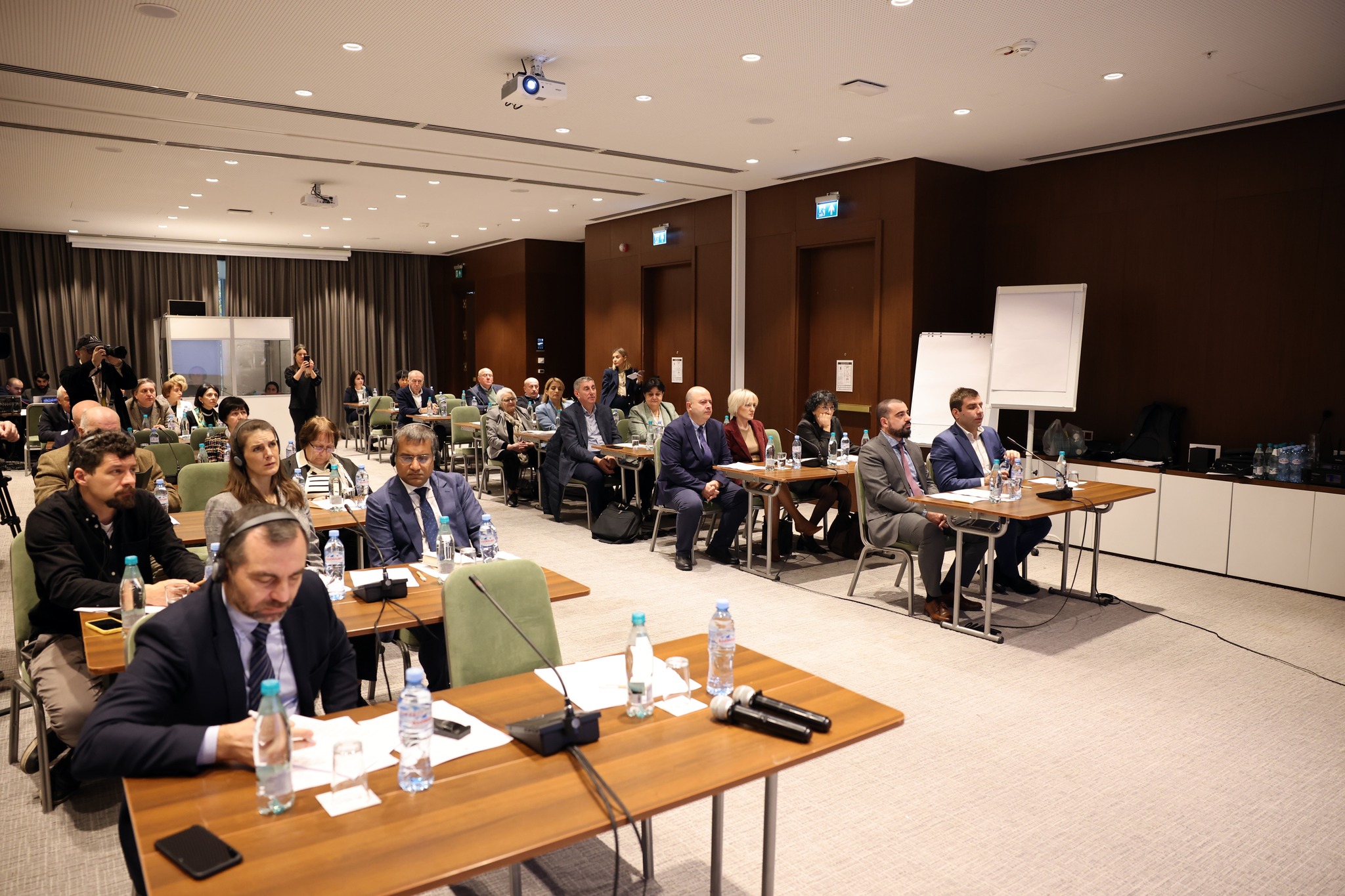
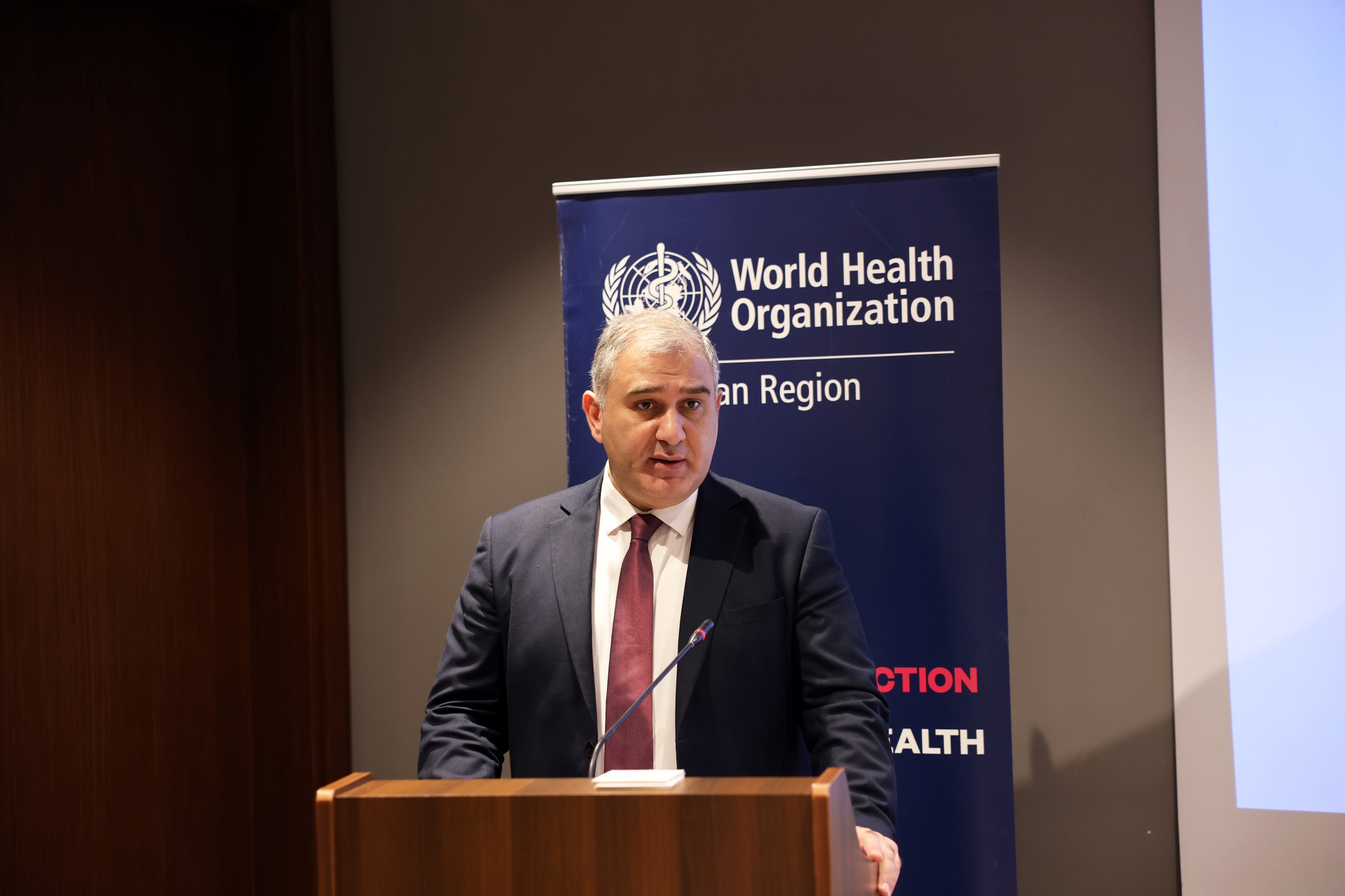
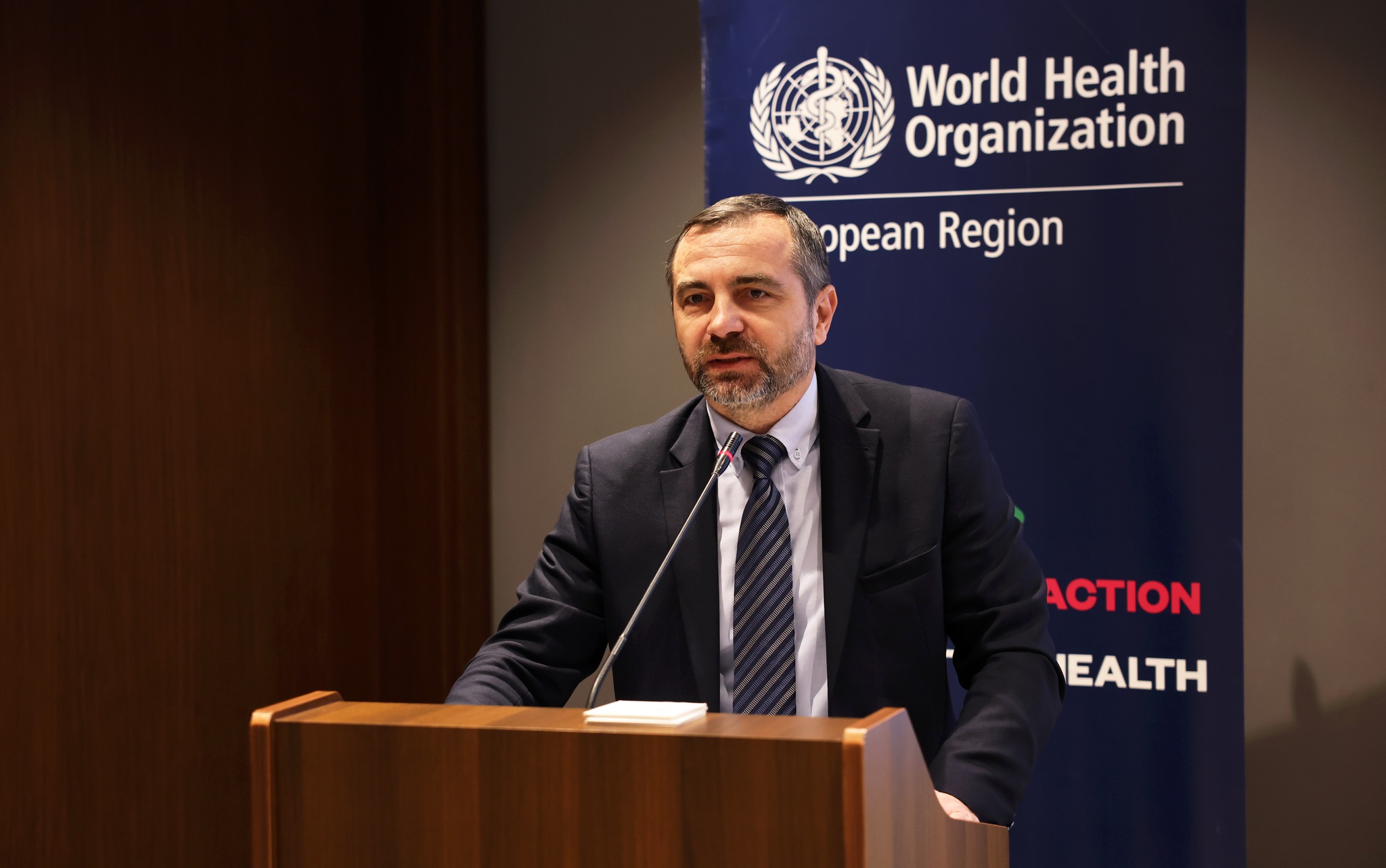
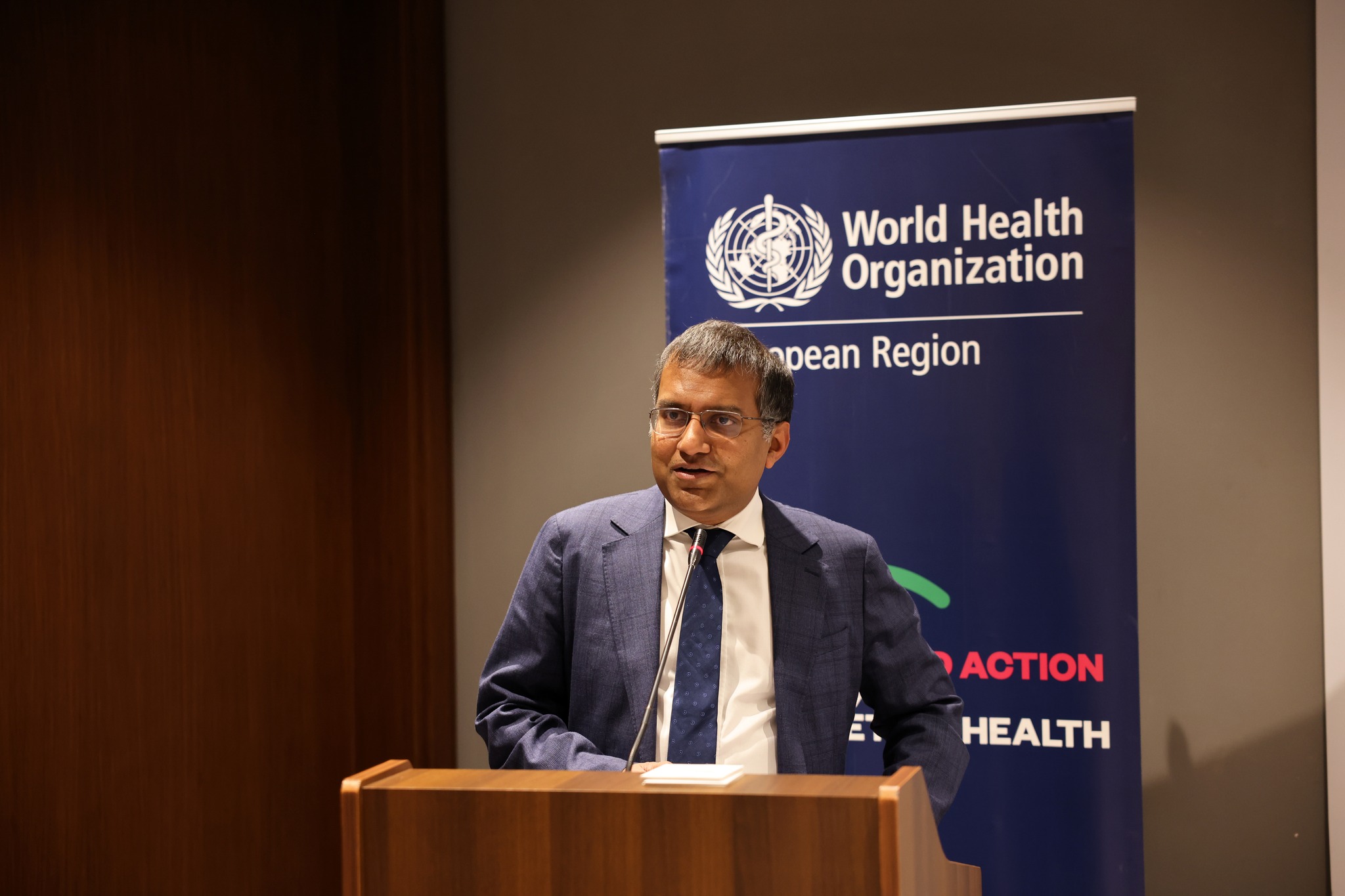
The Deputy Minister of Environmental Protection and Agriculture of Georgia, Mr Lasha Avaliani, attended the high-level political dialogue “Eliminating Trans Fats, Saving Lives.” The meeting discussed the progress made in Georgia in eliminating industrially produced trans fatty acids, the alignment of national legislation with international standards, existing challenges, resources, and the need for multi-sectoral cooperation.“Georgia is recognised as a successful example, with the results achieved serving as clear evidence of this. The Ministry of Environmental Protection and Agriculture has already carried out extensive work in this area, leading to significant progress in reducing the risks associated with trans fats,” noted Mr Mikheil Sarjveladze.
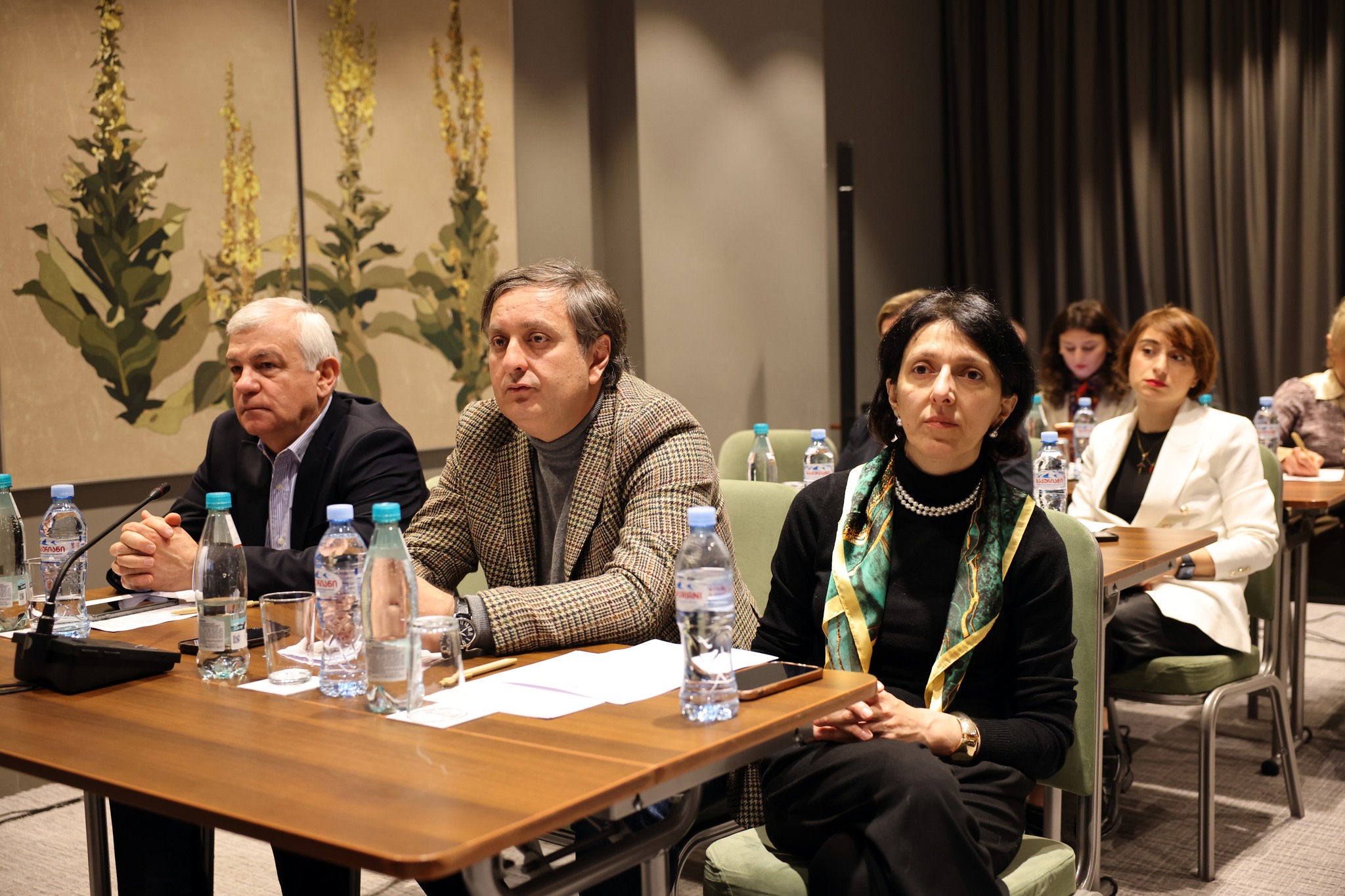
Participants shared regional and international experiences, best practices, and recommendations aimed at supporting the full and effective implementation of a healthy nutrition policy in the country.
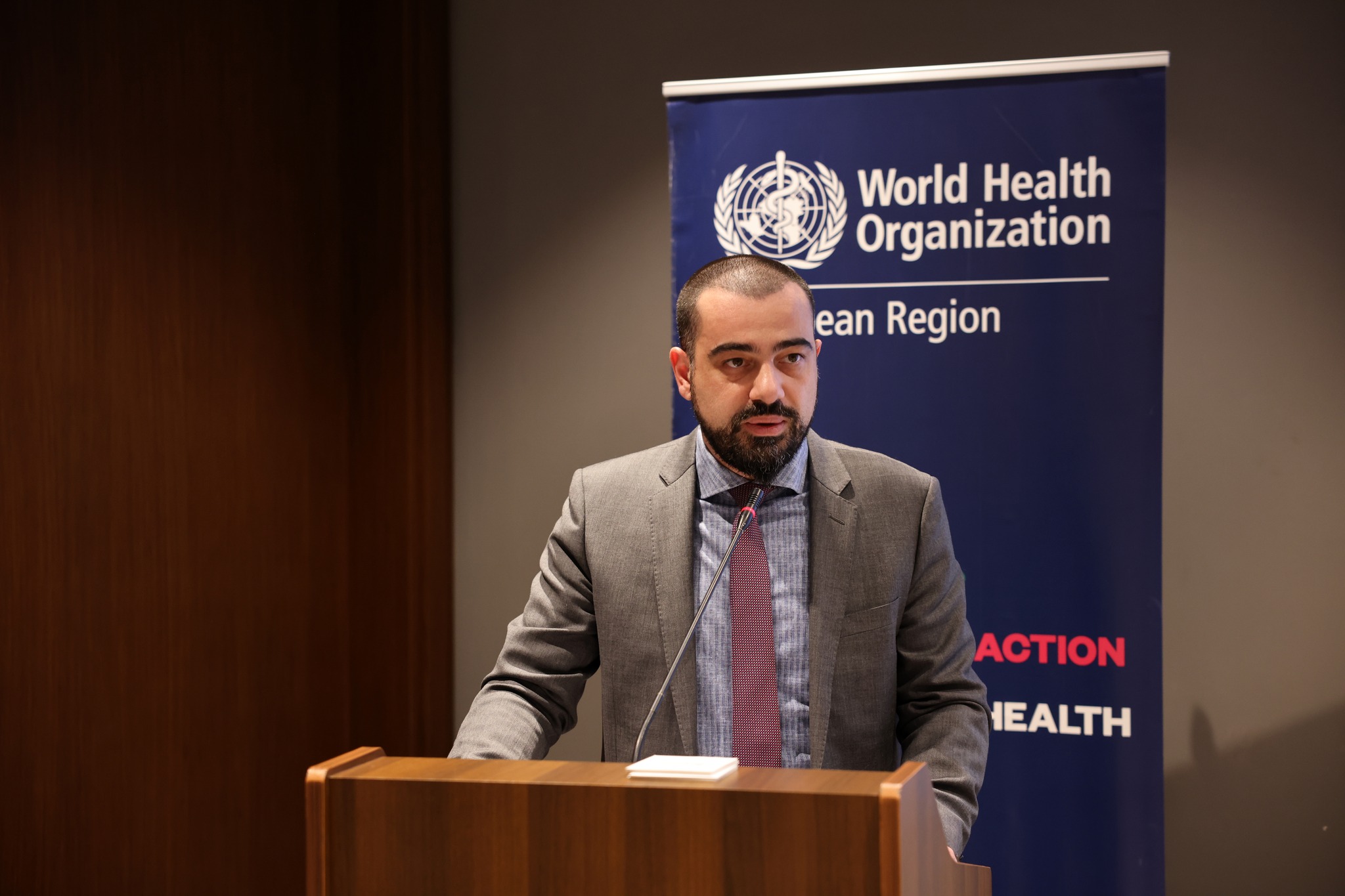
“The Ministry of Environmental Protection and Agriculture has taken significant steps to reduce trans fats in food, strengthened laboratory capacities, and ensured effective state control. Additional measures are planned to provide consumers with clearer information about trans fat content and its potential health risks,” emphasised Mr Avaliani.
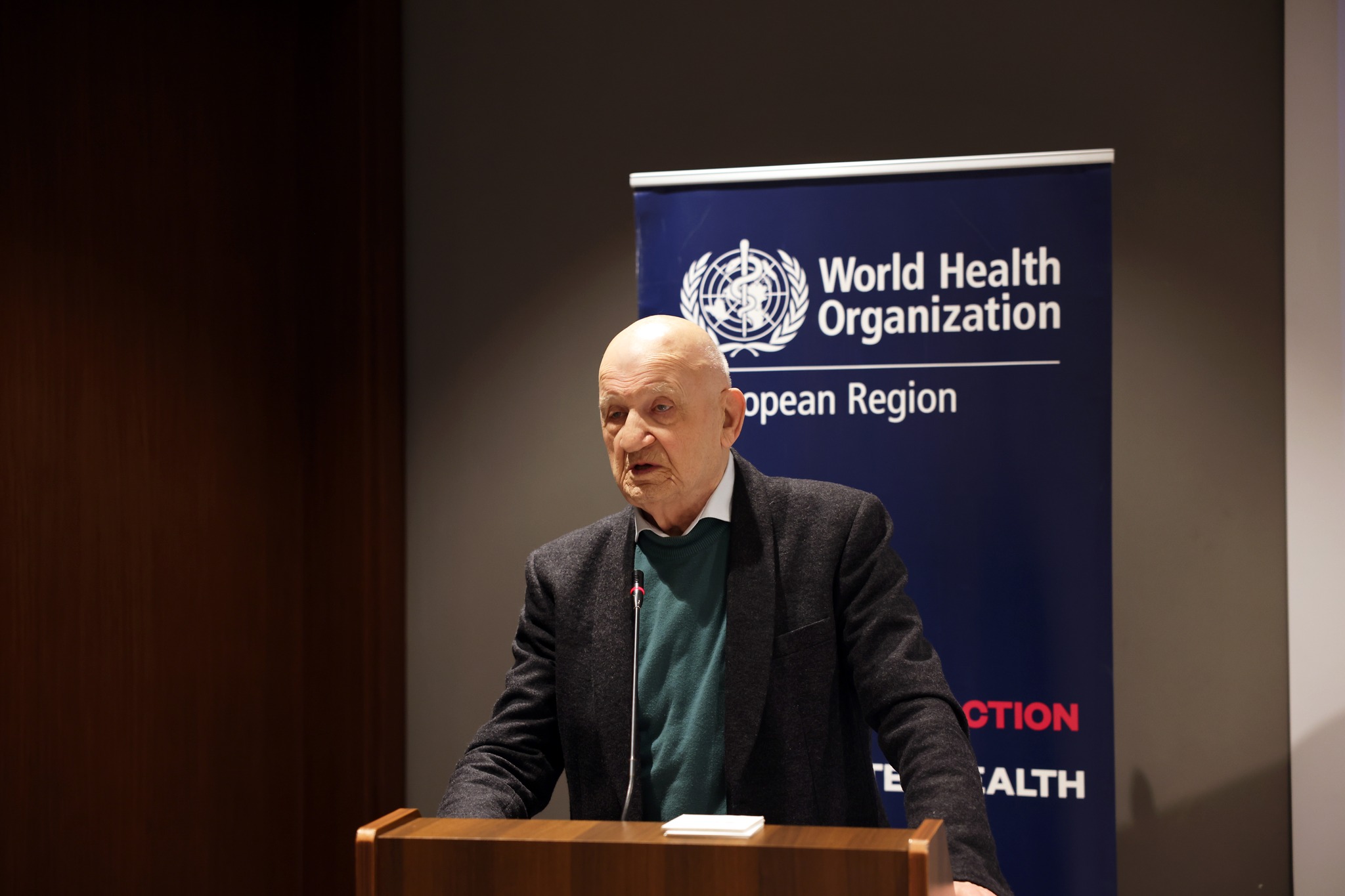
Mr Zurab Tskitishvili, Academician of the Academy of Agricultural Sciences of Georgia, presented the progress achieved by Georgia in reducing trans fats, including the measures implemented in the country.
The World Health Organisation (WHO) has launched a new phase of its project to accelerate the elimination of industrially produced trans fats in the European region, with Georgia, Turkey, and Tajikistan identified as priority countries. The project aims to strengthen the implementation and monitoring mechanisms of trans fat elimination policies in the selected countries, as well as to enforce the WHO’s Validation Programme for Trans Fat Elimination.
In Georgia, the limit for industrial trans fats was first established in 2016 by a government decree, based on the conclusions of the Ministry of Agriculture’s Risk Assessment Service. Since 2017, the National Food Agency has systematically collected samples, while the State Laboratory of Agriculture adopted a testing method, following the international standard ISO 12966-4:2015, ensuring precise determination of fat composition in products.
In 2023, considering the obligations under the DCFTA with the European Union, national legislative requirements regarding trans fats were fully harmonised with EU Regulation (EC No 1925/2006). As a result, Georgia’s legislation is now fully aligned with EU law and WHO requirements regarding trans fats.